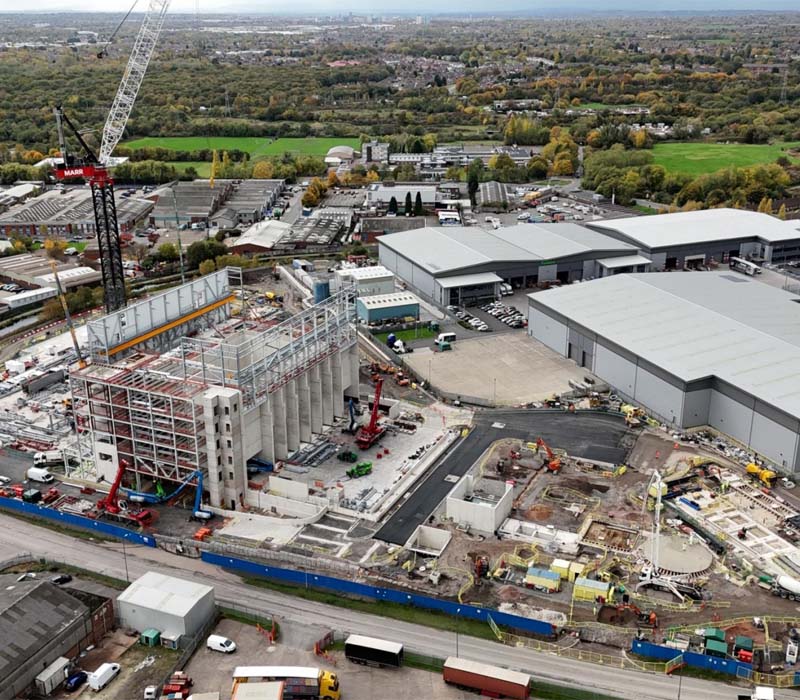
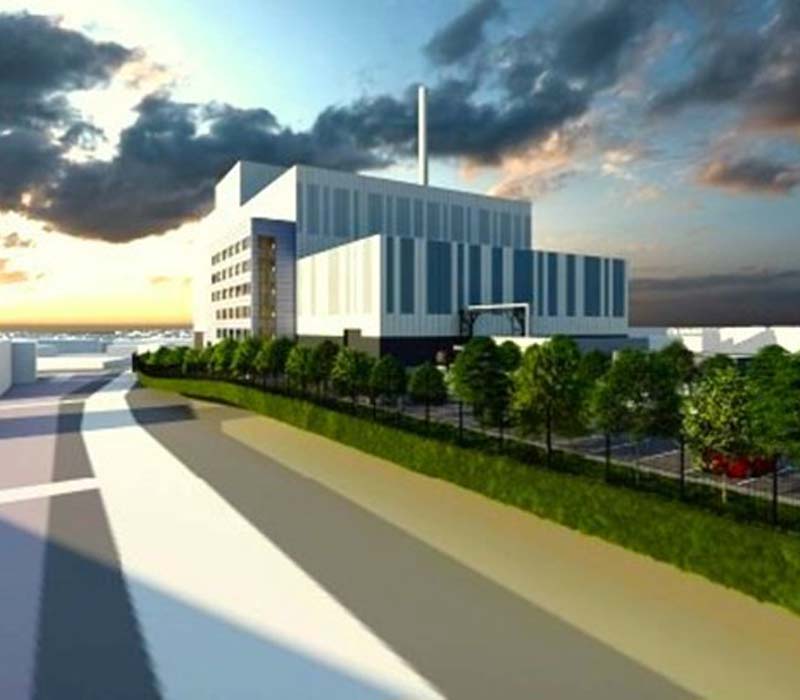
McAuliffe was contracted to carry out extensive remediation and enabling works on this former landfill, preparing the site for a new Energy from Waste facility that will process up to 436,000t of waste annually and power approx. 90,000 homes.
The site had sat unused for decades, with multiple challenges to overcome ahead of development. These included:
The site had been subject to multiple rounds of Site Investigation, with initial proposals suggesting the entire landfill (approx. 350,000t of hazardous soils) would need to be removed from site.
We carried out additional investigations, including extensive, ongoing geotechnical and chemical testing. This gave us advance information on the types of materials that would be encountered in different areas of the site, before they were excavated.
A revised Detailed Quantitative Risk Assessment was undertaken, resulting in new remedial target values being accepted, and a greater proportion of existing soils being retained on site.
As the landfill waste was mainly coarse, inert sand, we determined that it was suitable for soil washing. Our team managed offsite treatment of hazardous soils using a state-of-the-art wash plant, which minimised the volume of hazardous material and maximised recovery of treated, reusable fractions.
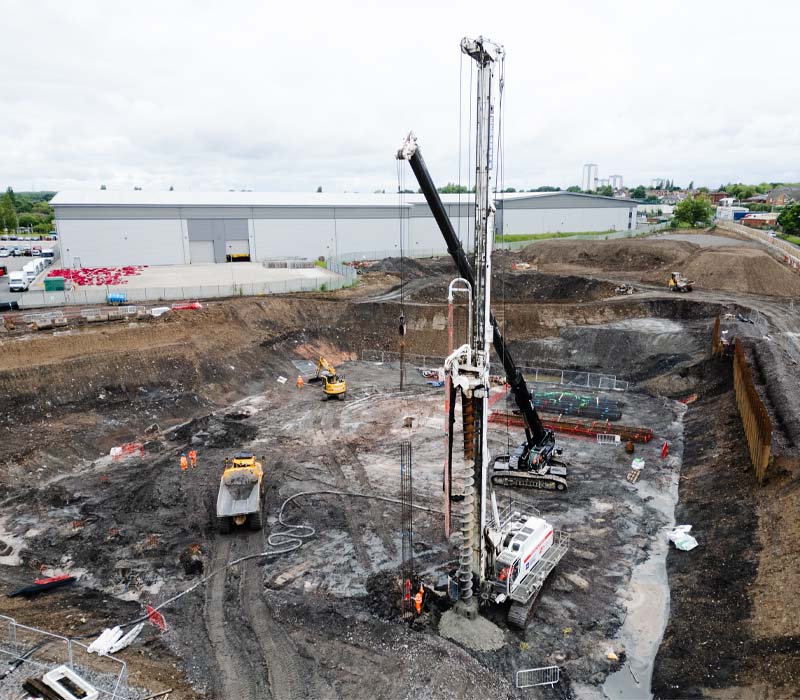
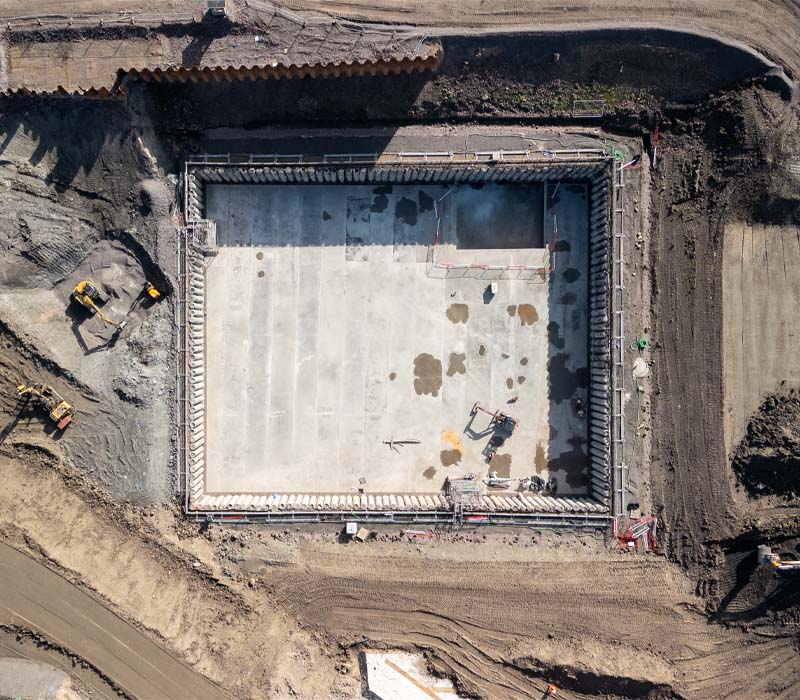
The need for a deep waste bunker meant complex retaining structures and permanent works had to be constructed within the landfill. We oversaw the build of a contiguous bored piled wall, which was installed to a maximum depth of 26m using an oversized piling rig. Once complete, our team created an 18m-deep excavation, with a perimeter length of 200m.
Alongside this, approx. 4,500 rigid inclusion piles were driven through the landfill to improve its bearing capacity.
Together with treatment for extensive mine workings, a combined 83,000m of drilling was advanced on site.
As well as liaising closely with multiple stakeholders, our team ensured strict adherence to regulations throughout the programme, including British Standards for Regulations.
| Client | Encyclis |
| Site Area | 7ha |
| Location | Walsall, West Midlands |
Jack Stitt, Project Manager at Encyclis
"Not only were the remediation works complex and challenging, the scale and significance of the following works to construct an energy recovery facility meant the pressure was really on to complete safely and on time! Well done and thanks."
Andrew Howie, Director EfW Development at Encyclis
"Great industry recognition on a very challenging project. Excellent Encyclis and McAuliffe team work and delivery."